



Understanding Addiction
Why? Am I? How did this happen?
A quiet but important question often arises long before anyone says the word addiction:
Why do I keep doing this, even though I know it’s hurting me and the people I love?
If you’re asking yourself that, it isn’t a sign of weakness. It’s a sign of awareness.
Addiction is not about lack of willpower, poor character, or moral failure. It is about seeking relief. It’s what happens when something—an activity, a substance, a behavior—temporarily soothes emotional pain, stress, emptiness, or overwhelm, yet slowly creates deeper consequences in your life. And despite your intelligence, success, and discipline in so many other areas, you find you cannot simply stop on your own.
You may notice patterns that confuse you.
You don’t want to hurt your partner, your children, or your family—yet your actions keep doing just that.
You promise yourself this will be the last time, and still, it happens again.
You may ask, Why am I hurting the people I love? What’s wrong with me?
And underneath it all, there’s guilt, shame, regret, and a quiet sadness you rarely let anyone see.
From the outside, your life may look accomplished and well-managed. Inside, you may feel increasingly disconnected—from your family, from yourself, from peace. The harder you try to control it, the more helpless it can feel.
This is not because you are broken.
It is because something in you learned, long ago, that this was a way to cope.
At Deslongchamps Recovery, we understand that addiction is not the problem—it is an attempt to solve one. Healing begins not with judgment, but with kindness, curiosity, and care for the nervous system and the whole person. When the body and mind feel safe, change becomes possible.
If any of this resonates with you, you are not alone—and you are not beyond help.
What Is Addiction?
Not why the addiction, but why the pain?
Addiction, as understood through the lens of Dr. Gabor Maté, is not a moral failure, a lack of willpower, or a bad choice. Addiction is a response to pain. It is an attempt—often unconscious—to soothe deep emotional wounds, stress, trauma, or disconnection that a person has carried, often since childhood.
Dr. Maté teaches that the essential question is not “Why the addiction?” but “Why the pain?” Addictive behaviors and substances serve a purpose. They temporarily relieve emotional suffering, numb overwhelming feelings, or create a sense of control, safety, or belonging when those needs were not met earlier in life. In this way, addiction is not the problem itself—it is a coping strategy that once helped a person survive.
After more than 25 years of studying addiction recovery, we here at Deslongchamps Recovery were deeply relieved to come across the teachings of Dr. Gabor Maté. He spent his life working directly with people struggling with addiction, meeting them with compassion rather than judgment. His understanding of addiction resonated profoundly with us. It hit home because it aligned with what we had witnessed again and again: good people in pain, not broken people making bad choices.
We found truth in his teachings, and as a result, we embrace the same foundational understanding of addiction and its causes. Combined with our own many years of personal struggles and lived experience with addiction, this perspective allows us to offer something honest, humane, and deeply respectful.
Addiction thrives in shame, isolation, and self-blame. Healing, on the other hand, begins with kindness, safety, and curiosity. When people are supported in understanding their pain—rather than being judged for their behaviors—they can begin to heal at the root. Recovery is not about fixing what is “wrong” with someone; it is about reconnecting with what was hurt.
This is why, at Deslongchamps Recovery, we focus on helping people understand not why the addiction, but why the pain. And it is our privilege to share this understanding in hopes of helping others find compassion for themselves and a path toward genuine healing.
Addiction thrives in confusion and silence. When it is understood, it becomes something that can be addressed and healed. We work closely with you to build a meaningful understanding of addiction—one that empowers you rather than overwhelms you. Awareness brings light, and light dissolves darkness. What is not acknowledged cannot be changed.
What research shows about addiction in affluent families
Addiction in Affluent Families: A Hidden Epidemic
Contrary to common belief, addiction is not primarily a disease of poverty. Decades of psychological, neurological, and longitudinal research show that children raised in affluent, high-achieving families face a significantly elevated risk of substance use disorders—often exceeding national averages by a wide margin.
Studies led by Dr. Suniya Luthar and others consistently demonstrate that adolescents from wealthy households are two to three times more likely than their peers to develop serious problems with drugs and alcohol, particularly during late adolescence and early adulthood. These struggles frequently remain hidden due to financial insulation, social status, and the appearance of success.
High-Risk Factors in Affluent Youth
Chronic Pressure to Achieve
Children in elite environments are often subjected to relentless expectations—top academic performance, competitive athletics, and constant résumé building. Research shows that chronic achievement pressure, especially when paired with conditional approval, significantly increases rates of anxiety, depression, and later substance use.
Substances frequently become a form of self-medication—not rebellion, but relief.
Emotional Neglect, Not Material Deprivation
One of the strongest predictors of addiction is emotional unavailability, not lack of resources. When caregivers are frequently absent due to demanding careers, travel, or social obligations, children often grow up without secure attachment or emotional safety.
Addiction does not emerge because someone “had too much.”
It emerges because core emotional needs were unmet during critical developmental years.
Isolation and Inconsistent Supervision
Boarding schools, rotating caregivers, long periods alone, and limited attuned supervision are all correlated with higher rates of emotional dysregulation and substance misuse in adolescence and adulthood.
High Availability and Access
Affluent youth typically have disposable income and easy access to alcohol, prescription stimulants (such as Adderall), tranquilizers, and—in some cases—more expensive illicit substances. Access accelerates experimentation and escalates risk.
Permissiveness and Functional Masking
In some families, substance use is minimized or tolerated as long as grades, behavior, or social standing remain intact. High achievement can mask dangerous patterns, delaying intervention until addiction is deeply entrenched.
Substance Use Patterns in Young Adulthood
Elevated Rates of Dependence
Longitudinal studies of affluent suburban youth (including the NESSY cohort) found that by age 26, individuals from wealthy backgrounds were two to three times more likely than the national average to meet criteria for a substance use disorder.
Gender Differences
By age 26:
19–24% of women
23–40% of men
from affluent families had been diagnosed with addiction—rates significantly higher than national norms.
Substance Profile
While alcohol and marijuana are common, research indicates disproportionately high use of stimulants, tranquilizers, and cocaine, reflecting both access and performance-driven coping strategies.
Barriers to Treatment and Recovery
Stigma, Secrecy, and Image Protection
Affluent families often feel intense pressure to maintain a flawless public image. Addiction is hidden, minimized, or managed privately to avoid reputational harm—frequently delaying effective treatment.
Enabling Through Wealth
Financial resources can shield individuals from immediate consequences—legal issues, academic fallout, or employment loss—allowing addiction to persist longer and progress further.
Comfort Over Clinical Rigor
While wealth enables access to private treatment, not all high-end programs deliver evidence-based care. Facilities that prioritize luxury over depth of treatment often see high relapse rates, especially when underlying psychological drivers are not addressed.
Cultural and Emotional Contributors
“Neuroses of Mobility”
Rapid changes in status—or pressure to maintain a high-status lifestyle—can produce emotional fragility, identity instability, and chronic anxiety.
Lack of Purpose and Meaning
When wealth is inherited without the development of intrinsic goals, values, or self-efficacy, individuals may experience emptiness, disengagement, and loss of meaning—conditions strongly associated with substance use.
What the Research Makes Clear
Affluence does not protect against addiction.
In many cases, it conceals and compounds it.
Effective treatment for individuals from high-achieving, wealthy families must go far beyond symptom management. Recovery requires intensive, evidence-based, psychologically sophisticated care that addresses attachment wounds, identity formation, emotional regulation, family dynamics, and purpose—not just substance use itself.
Addiction is not inherited — trauma is.
Addiction does not arise because someone “had too much,” nor because of weak character, poor discipline, or moral failure. It arises because, at crucial moments in development, a child’s deepest emotional needs were not fully met.
This truth does not spare wealth. In many cases, it hides behind it.
Modern neuroscience and epigenetics show us that there is no single “addiction gene.” What is passed down through generations is unresolved emotional pain. Chronic stress, emotional absence, conditional love, relentless pressure to perform, or the unspoken rule that difficult feelings must be managed privately — all of these shape how a child’s nervous system develops and how genes are expressed. Not just for one lifetime, but across generations.
This is intergenerational trauma.
In affluent families, trauma often wears a tailored suit. It lives in perfectionism, in schedules packed to the brim, in achievement standing in for attunement. It lives in beautiful homes where emotions are managed rather than met, where vulnerability is admired in theory but rarely practiced, and where children learn early that love is safest when they excel, behave, or remain composed.
A child does not need chaos to be wounded. They need connection.
Children raised in environments marked by addiction, emotional distance, secrecy, or chronic pressure — no matter how elegant the surroundings — are at significantly higher risk of repeating these patterns. Often unconsciously. Often earlier than anyone expects. Not because they are broken, but because their nervous systems adapted to survive.
Many successful parents say, sincerely, “I will never let my children go through what I went through.”
And they mean it.
But without healing the original wounds, those experiences quietly shape how love is given, how limits are set, how emotions are tolerated, and how available a parent can truly be. Trauma does not announce itself. It shows up in tone, in absence, in expectations, and in what is never spoken.
At Deslongchamps Recovery, we understand this: addiction is not the problem. It is the attempt to solve a deeper one.
True recovery — especially in high-achieving families — is not about control, appearances, or performance. It is about restoring connection, safety, and emotional truth. It is about healing the root, so the legacy ends here.
Because when trauma is healed, it does not get passed on. And that may be the greatest inheritance of all.
The hidden cost to your family.
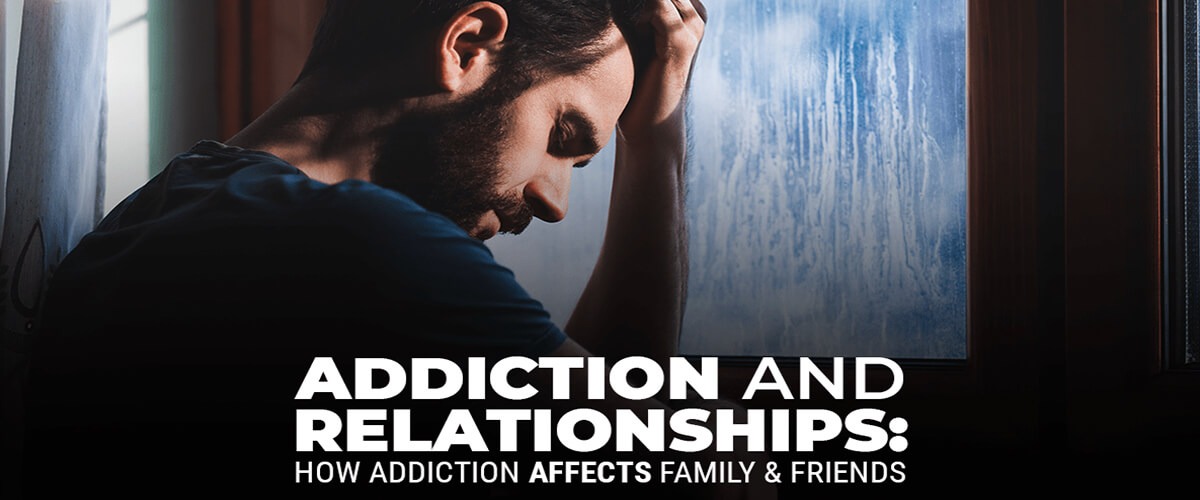
High-functioning addiction in affluent families often goes undetected for years. Careers continue. Public reputations remain intact. From the outside, life appears successful and controlled. Inside the home, however, the impact can be profound and devastating.
Decades of research on affluent families—including longitudinal studies by psychologists such as Dr. Suniya Luthar—show that wealth and achievement do not protect families from harm. In many cases, they intensify it. High-pressure environments, constant performance expectations, and parental overwork frequently lead to neglect trauma: emotional absence without obvious abuse. It is common, deeply damaging, and rarely discussed in successful households.
When addiction or other harmful coping behaviors enter this environment—whether substances, workaholism, control, or emotional withdrawal—the entire family system absorbs the strain:
Partners live with chronic anxiety, hypervigilance, and profound emotional loneliness
Children sense instability long before anything is spoken aloud
Trust erodes quietly, even when love is genuine
Emotional connection is replaced by silence, control, distance, or perfectionism
Research consistently shows that children in these families often internalize the stress, adopting the same coping strategies they observe: overachievement, emotional numbing, substances, or withdrawal. By the time consequences are visible, these patterns may already be deeply ingrained—across generations.
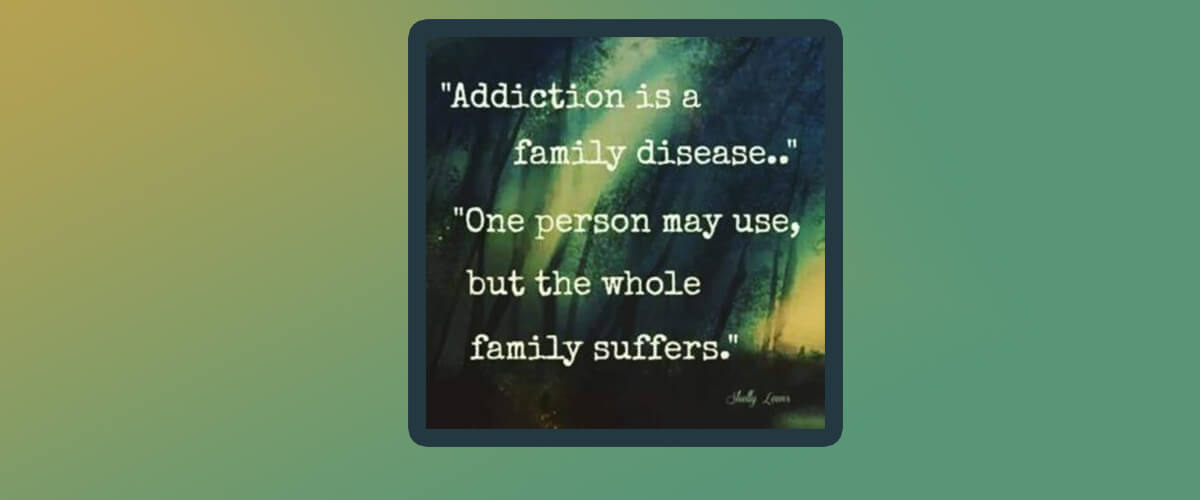
Regardless of who is struggling outwardly, the truth remains: when one person suffers, the entire family suffers.
At Deslongchamps Recovery, we specialize in discreet, evidence-based, family-centered recovery for high-net-worth individuals and families who need privacy, sophistication, and real results. If your family feels successful on the outside but fractured on the inside, you do not have to face it alone. Help is available—quietly, confidentially, and with the depth your family deserves.
Shame Keeps Elite Families Trapped
For high-net-worth families, the greatest obstacle to healing is rarely access to care—it’s the need to protect appearances.
When legacy, reputation, and public image carry real financial and social consequences, struggles are hidden, managed privately, or minimized. Families convince themselves they should be more disciplined, more intelligent, more in control than this. So they wait. And they endure in silence.
But addiction and trauma do not respect wealth, influence, or success. Addiction does not discriminate. It is not born out of social status, it is born out of childhood trauma, and according to recent studies, that is becoming a very clear fact
Behind impeccable exteriors, suffering quietly reshapes family dynamics—marriages become guarded, children adapt to unspoken instability, and emotional distance replaces connection. The longer it remains concealed, the more deeply it embeds itself into the family system.
At Deslongchamps Recovery, we work exclusively with families like yours—those who require absolute discretion, personalized care, and a program designed to meet you where you are, anywhere in the world.
Seeking help is not a threat to your legacy.
Ignoring it is.
Your family has achieved more than survival behind closed doors.
They deserve real healing—handled privately, expertly, and with the level of excellence your life already demands.
Healing Is Possible.
Addiction is not a moral failure. It is a trauma response.
Decades of research in developmental psychology, neurobiology, and attachment science confirm what clinicians like Dr. Gabor Maté have long articulated: when core emotional needs are chronically unmet—safety, attunement, belonging—the nervous system adapts. Substances, compulsive work, achievement, control, even wealth accumulation can become attempts to regulate unresolved stress.
The behavior is not the problem. The pain underneath it is.
And trauma—when properly understood and treated—is treatable.
Studies in epigenetics and intergenerational trauma show that chronic stress reshapes how genes are expressed across generations. Research from leading institutions has demonstrated that children raised in high-pressure, achievement-focused environments with emotional unavailability are at significantly higher risk for anxiety, depression, and substance misuse—even in materially privileged households.
Affluence does not inoculate a family against addiction. In some cases, it amplifies risk through pressure, isolation, and the demand to maintain a flawless image.
If you are reading this, you likely understand discretion. You understand reputation. You understand legacy.
What may be less discussed in your circles is this: high-functioning addiction is common in successful families. Research by Dr. Suniya Luthar and others shows that affluent youth are two to three times more likely than national averages to develop substance-related problems in late adolescence and early adulthood.
They simply hide it better.
At Deslongchamps Recovery, we speak directly to you—the leaders, founders, investors, physicians, executives, inheritors, and their families who have built extraordinary external lives while quietly managing internal chaos.
We understand the silent contradiction:
Succeed everywhere.
Struggle privately.
Feel ashamed of what “should not” be happening.
Many of us have lived it ourselves.
You may have built companies, portfolios, reputations. Yet you feel disappointed in yourself for not being able to control alcohol, drugs, work, or other compulsions. That disappointment is heavy. It can turn into secrecy. Secrecy turns into isolation. Isolation feeds addiction.
But here is what neuroscience makes clear: shame worsens addiction. Connection heals it.
It is also essential to understand something many treatment programs fail to explain clearly:
Recovery is not a short-term fix.
It is a lifelong recalibration of how you relate to yourself and your family.
Longitudinal studies of sustained sobriety show that long-term recovery outcomes are strongest when individuals:
• Develop emotional regulation skills
• Address underlying trauma
• Engage in community and relational repair
• Commit to ongoing personal growth
Sobriety is not a straight line. It is a nonlinear, adaptive process. Relapse rates in early recovery mirror those of other chronic conditions such as hypertension and diabetes—not because recovery “fails,” but because it requires long-term behavioral and neurological restructuring.
A well-designed recovery program does not promise that all problems disappear. That is unrealistic.
What it does is far more powerful.
It compresses decades of clinical learning into a structured foundation. It teaches what has consistently worked across evidence-based modalities—trauma-informed therapy, family systems repair, nervous system regulation, accountability frameworks, and identity restructuring.
It builds a solid recovery base.
From that base, your life can change.
But here is the truth, spoken directly:
You must want it.
Research consistently shows that intrinsic motivation—the internal decision that “I have had enough”—is one of the strongest predictors of sustained recovery. No amount of wealth, resources, or external pressure can substitute for that internal shift.
For many high-achieving individuals, that moment comes not when they lose everything—but when they recognize the cost to their children.
Working excessively.
Being emotionally unavailable.
Living in chronic stress.
Using substances to decompress.
These patterns are not neutral. Developmental research is clear: chronic parental absence—physical or emotional—can create attachment wounds that increase vulnerability to addiction in the next generation.
Recovery, therefore, is not only personal.
It is protective.
At Deslongchamps Recovery, we do not treat addiction in isolation. We treat the entire family system—because the damage occurs there, and so does the healing.
Our global, fully mobile programs are designed for families who require:
• Absolute privacy without compromise
• Evidence-based, trauma-informed clinical excellence
• Family healing that protects future generations
• Solutions that integrate with complex international lives
You have achieved extraordinary heights in business. But many clients tell us something transformative during long-term recovery:
The high of alcohol is cheap.
The rush of drugs is temporary.
The thrill of financial gain fades quickly.
Even the dopamine of achievement loses intensity.
What replaces it in sustained recovery is different.
A grounded nervous system.
Self-trust.
Emotional reliability.
Authentic connection with your spouse.
Presence with your children.
Leadership that comes from wholeness rather than compensation.
It is not just about living a “good” life.
It is about soaring.
When trauma is integrated and the nervous system is regulated, performance improves. Creativity returns. Strategic thinking sharpens. Relationships deepen. Leadership becomes less reactive and more visionary.
Recovery is not the end of ambition.
It is the refinement of it.
Deslongchamps Recovery is one step in the right direction. We will stand by you and your family every step of the way. Our programs are intensive, discreet, and deeply personalized.
But ultimately, the decision belongs to you.
Usually, it is made when you have had enough.
Enough secrecy.
Enough disconnection.
Enough watching patterns repeat.
If you are not ready for full sobriety, begin with your family.
Enroll them.
Protect them.
Give them tools you may not have received.
Research consistently shows that when family systems heal, the probability of sustained individual recovery significantly increases. Addressing half the equation makes the rest far more achievable.
There are few experiences more painful than watching your children follow the very patterns you wished you could break.
Prevention is possible.
Interruption is possible.
Healing is possible.
Recovery is a lifelong journey—but it is a journey toward freedom, clarity, and authentic power.
It is not easy.
It is not linear.
It is not instant.
But it is doable.
Millions of individuals living at your level of responsibility and success have done it.
And once you experience the stability, depth, and inspiration that comes from real recovery, you may realize something profound:
The old highs were small.
This one is expansive.
We are here for life.
Every step of the way.