

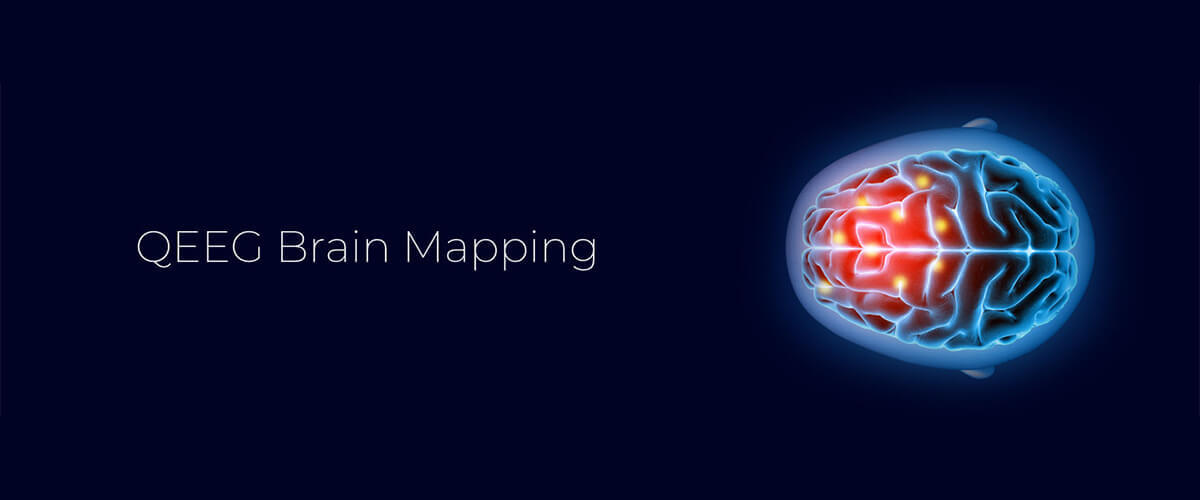


Brain Mapping (qEEG)
At Deslongchamps Recovery, we understand that lasting transformation happens when awareness meets evidence—when you can feel the change within you and see it reflected in the brain itself.
Brain Mapping (qEEG) is where science meets conscious change.
Using Quantitative Electroencephalography, we gently and non-invasively measure the brain’s electrical activity, allowing us to observe how years of stress, trauma, pressure, and substance use have shaped neural patterns—particularly in the reward system, executive functioning centers, and emotional regulation networks. This is not about labeling or pathology. It is about insight, precision, and empowerment.
When the brain is shown a clear picture of itself, it gains the capacity to reorganize.
Seeing Progress. Feeling Transformation.
One of the most profound shifts our clients experience is the moment they realize: this is not a character flaw—this is a conditioned nervous system. Through qEEG brain mapping, you can visually track the brain’s movement from dysregulation to coherence over time. Remapping at key intervals allows both you and our specialists to observe measurable changes as neural networks normalize.
Clients often report that as the brainwaves stabilize, they don’t just see improvement—they feel it:
Greater emotional calm
Improved focus and decision-making
Reduced cravings and impulsivity
A renewed sense of internal control
This alignment between subjective experience and objective data creates confidence, motivation, and trust in the process—an essential element for high-performing individuals accustomed to measurable results.
Precision-Guided Neuro-Optimization
Brain mapping allows us to move far beyond generalized treatment approaches. By identifying specific areas of overactivity or underactivity, we tailor interventions such as LORETA Z-Score Neurofeedback, which works with a 3D representation of brain activity and can influence deeper neural structures involved in craving, habit loops, and emotional regulation.
Research demonstrates that when neurofeedback is guided by qEEG data and integrated with psychotherapy and behavioral work, outcomes improve significantly—supporting higher treatment engagement, improved self-regulation, and longer-term sobriety compared to counseling alone.
Early Insight. Proactive Prevention.
The brain often signals distress before the conscious mind does. Subtle shifts in brainwave patterns can indicate heightened vulnerability to relapse long before cravings surface behaviorally. This allows our clinical team to intervene early—adjusting protocols, increasing support, and stabilizing the nervous system before old patterns re-emerge.
Revealing What the Mind Has Been Carrying
Brain mapping can also uncover contributing factors that may have gone undetected for years—such as mild traumatic brain injuries, chronic stress imprinting, ADHD patterns, or trauma-related dysregulation. For many of our clients, this insight alone brings relief and self-compassion, reframing their life experience through a neurological lens rather than self-judgment.
A Luxury of Clarity
For individuals who have spent their lives leading, performing, and carrying responsibility, qEEG offers something rare: clarity without effort. It allows you to observe the brain as it rewires itself—moving from survival into balance, from reaction into intention.
At Deslongchamps Recovery, brain mapping is not a standalone tool. It is an integral part of a comprehensive, bespoke recovery experience—woven together with medical care, psychotherapy, somatic regulation, and elevated wellness therapies. The result is a recovery process that is both deeply felt and scientifically verified.
You don’t just hope you are changing.
You witness it—neuron by neuron.