


Body Image Therapy
At Deslongchamps Recovery, we work directly with you to explore how the way you see and feel about your body affects your recovery journey.
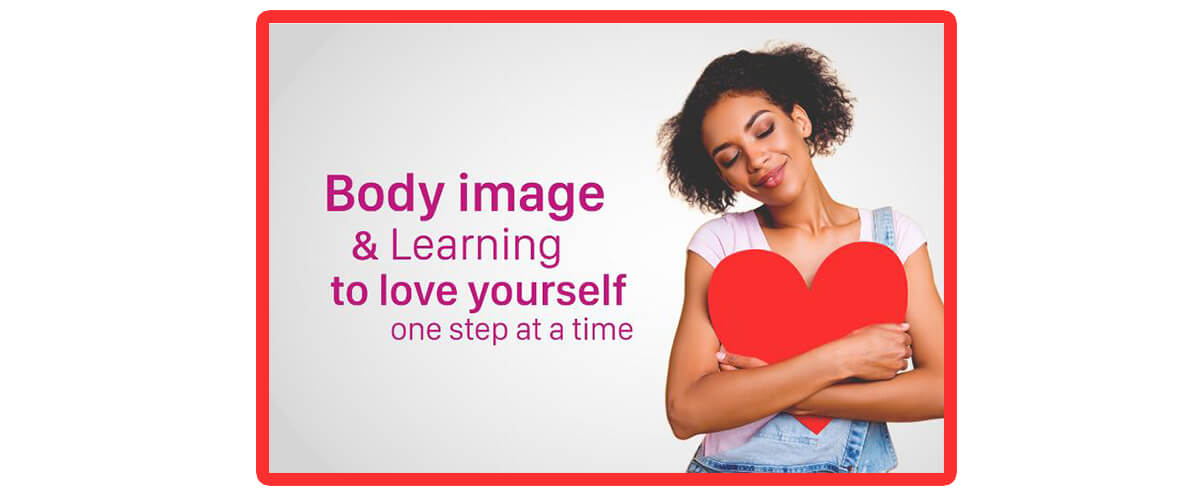
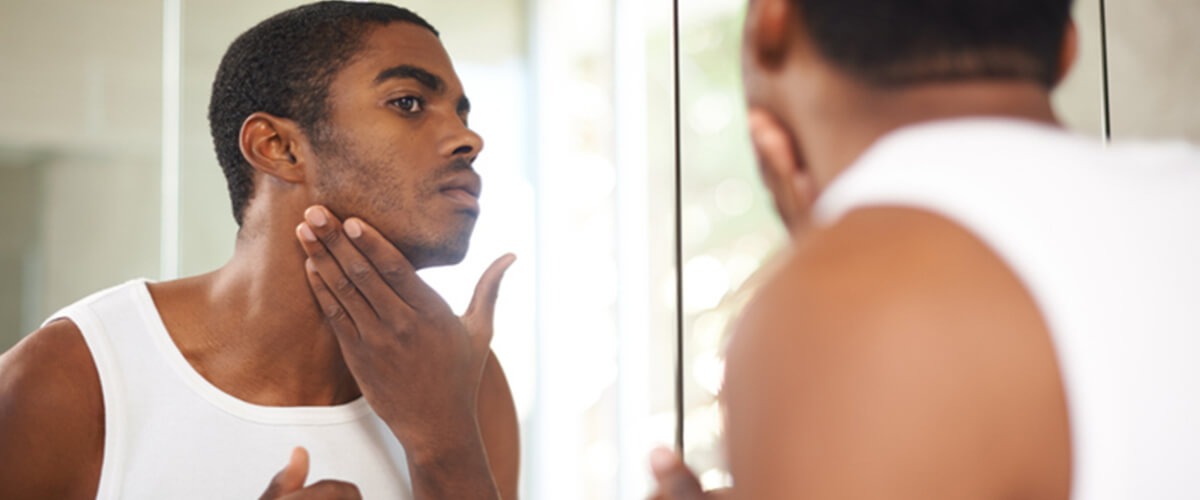
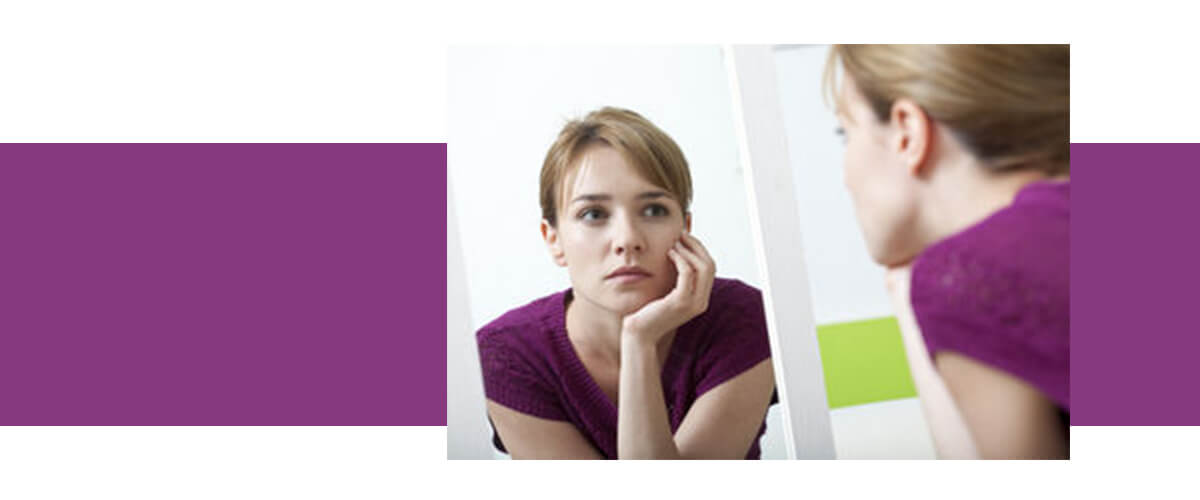
Body image is not just about appearance. It includes the mental picture you hold of your body—its size, shape, and features—as well as the thoughts, feelings, and beliefs you have about yourself physically. Research consistently shows that body image is shaped by culture, media, family experiences, peer relationships, and past trauma. These influences can change over time, especially during major life transitions like entering recovery.
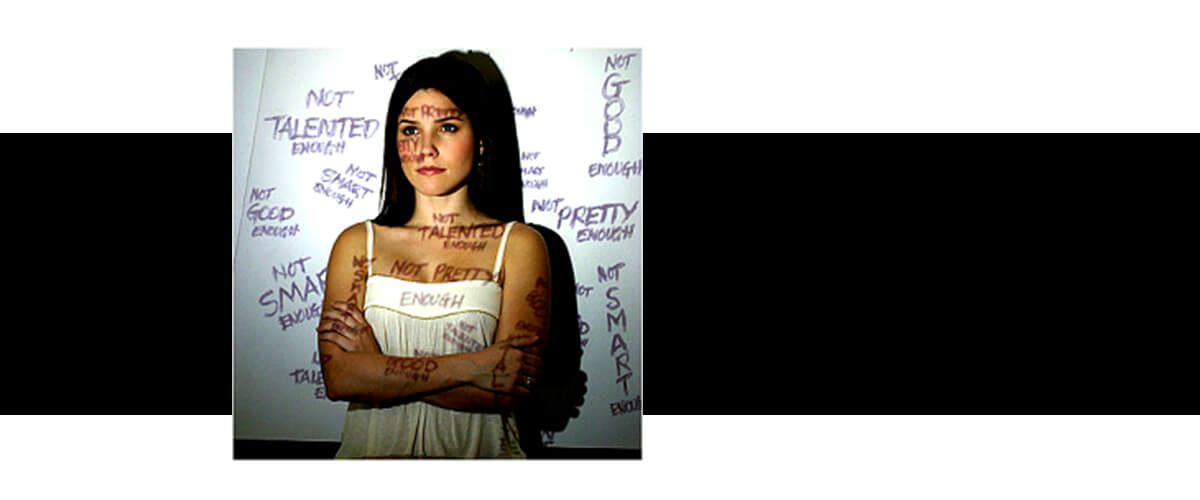
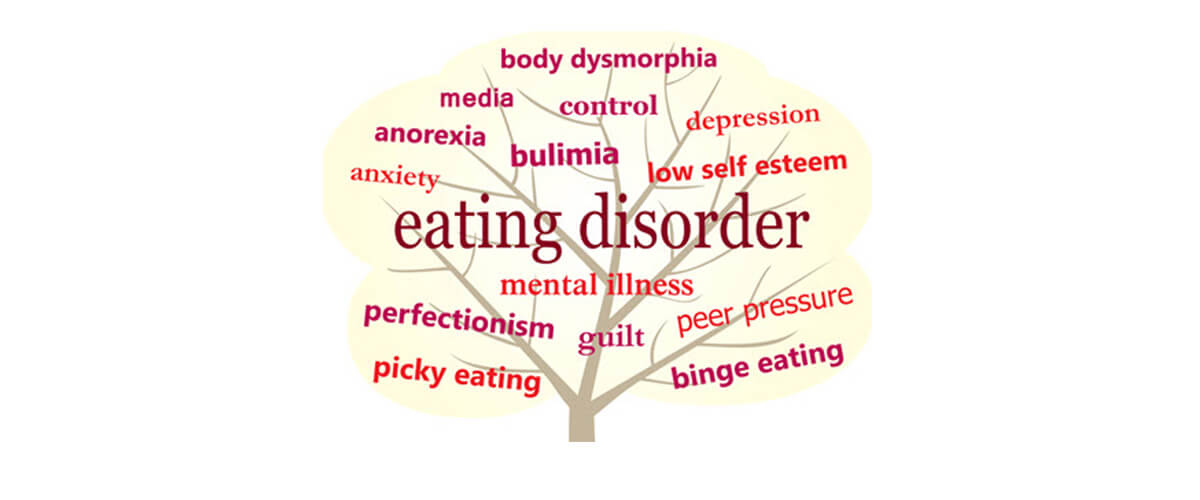
Studies have found that a negative or unhealthy body image is closely linked to low self-esteem, chronic anxiety, depression, and increased vulnerability to substance use. When you feel disconnected from or critical of your body, substances can become a way to numb discomfort, manage shame, or escape self-judgment. Over time, this pattern can reinforce addiction and make long-term recovery more difficult.
At Deslongchamps Recovery, we address body image because evidence shows that improving self-perception supports emotional regulation, resilience, and self-worth—all critical components of sustainable recovery. Learning to develop a healthier relationship with your body can reduce internal stress, improve confidence, and strengthen your ability to cope without relying on substances.
Through Body Image Therapy, you are supported in:
Understanding how body-related beliefs developed
Challenging negative self-talk and unrealistic standards
Rebuilding self-respect and self-compassion
Strengthening the mind–body connection in recovery
Healing your relationship with your body is not about changing how you look—it’s about changing how you relate to yourself. This work supports your overall well-being and helps lay a stronger foundation for lasting recovery.